Mahashivratri 2026: Fasting Rules and How to Do Maha Shivratri Fast
{EXCERPT}...

Introduction to Mahashivratri
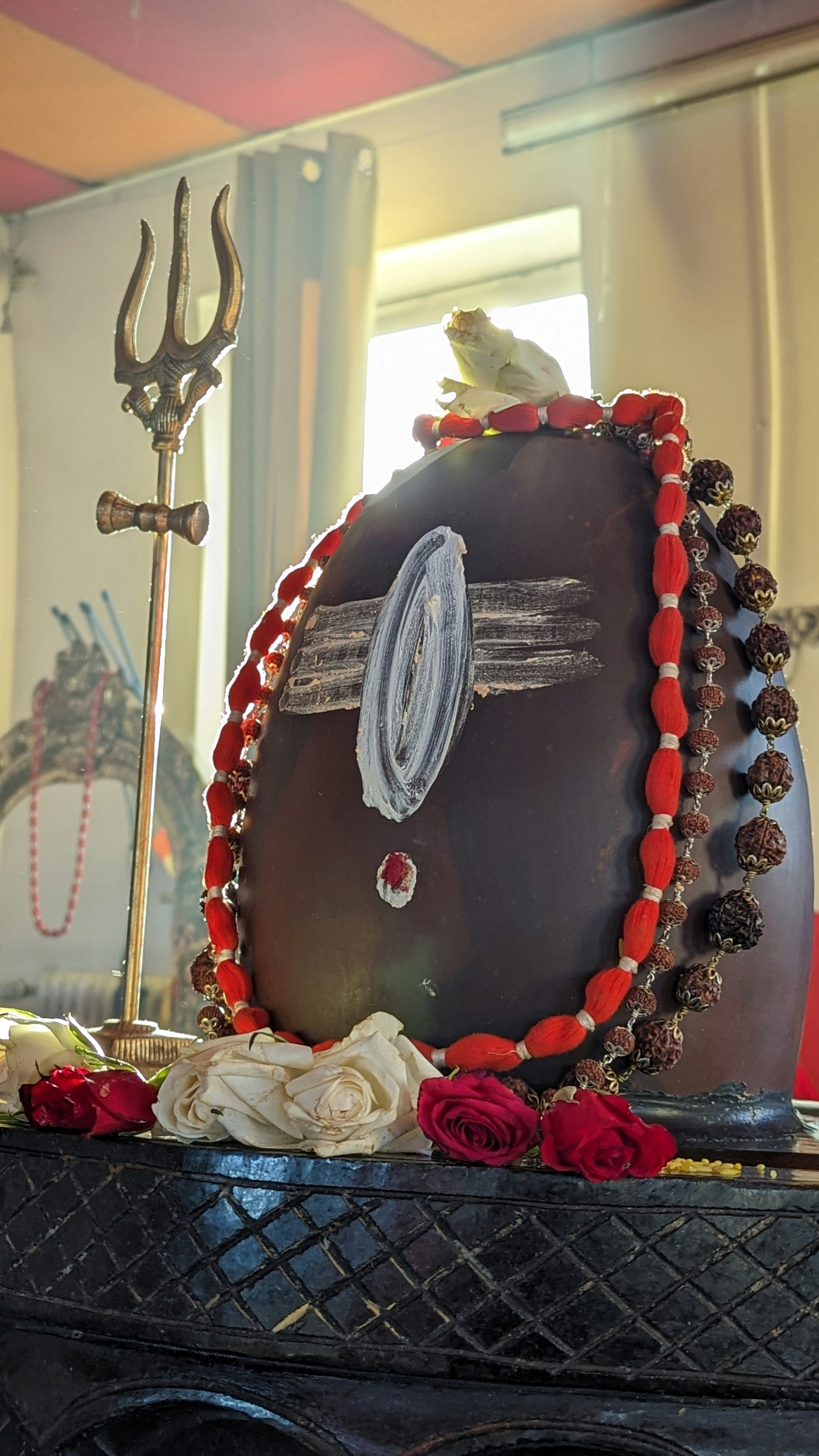
Mahashivratri, often referred to as the "Great Night of Shiva," is a significant Hindu festival dedicated to the reverence of Lord Shiva. This festival holds sacred importance among devotees and is celebrated across various regions of India with immense fervor and devotion. In 2026, Mahashivratri is observed on the night of March 11, marking a time when millions participate in religious observances and festivities honoring this revered deity.
Mahashivratri represents the union of Shiva and Shakti, and it is believed that on this auspicious night, Lord Shiva performed the cosmic dance of creation, preservation, and destruction. Devotees engage in various rituals, including fasting, night-long vigils, and offerings to Shiva, symbolizing their commitment to spiritual growth and liberation from worldly attachments.
The significance of Mahashivratri extends beyond rituals; it encapsulates the message of overcoming darkness and ignorance through enlightenment. Temples dedicated to Lord Shiva are adorned with flowers and lights, and devotees gather to chant mantras, sing hymns, and participate in communal prayers. The worshippers offer milk, honey, and water to the Shiva Lingam, a representation of Lord Shiva, demonstrating their devotion.
Culturally, celebrations differ across regions, showcasing India's rich diversity. In certain parts, grand processions take place, while in others, the focus may be mainly on personal worship and spiritual reflection. Regardless of the approach, Mahashivratri serves as a unifying force among the followers of Hinduism and offers an opportunity for introspection and renewal of faith.
Significance of Fasting on Mahashivratri
Fasting during Mahashivratri holds profound significance for devotees of Lord Shiva, serving as a vital means of spiritual expression and devotion. The act of fasting is traditionally viewed as a way to honor and worship the deity, allowing individuals to demonstrate their dedication and fervent faith. For many, it is a time to transcend the material world, redirecting their focus toward spiritual growth and inner purification.
The practice of fasting is rooted in the belief that it helps free individuals from the burden of sins and negative karma accumulated over time. By abstaining from food and certain activities, devotees seek to cleanse their minds and bodies, enhancing their spiritual connection with Lord Shiva. This deepened focus not only promotes physical discipline but also fosters mental clarity, enabling worshippers to engage in meditation and prayer with greater sincerity. Many believe that such fasting culminates in divine blessings, granting strength, wisdom, and protection from the hardships of life.
Furthermore, the significance of fasting on Mahashivratri extends to the concept of sacrifice, symbolizing devotion and the renunciation of earthly pleasures. A true devotee views fasting not as a burden, but as a sacred opportunity to cultivate greater devotion. The rituals accompanying the fast, often including night vigils known as "Jaagaran," enhance the spiritual atmosphere and deepen devotees' faith.
In essence, the act of fasting on Mahashivratri is not just about abstaining from food; it is a holistic approach to achieve purification and alignment with divine energies. Through this sacred practice, devotees aspire to attain lasting spiritual benefits, establishing a profound connection with Lord Shiva, who is revered as the destroyer of ignorance and the source of eternal knowledge.
Types of Fasts Observed on Mahashivratri
Mahashivratri is a significant festival celebrated in honor of Lord Shiva, and it is marked by various fasting traditions that devotees might follow. The types of fasting can vary based on individual beliefs and practices, with three primary fasting methods emerging as the most commonly observed: complete fasting, partial fasting, and selective fasting involving specific foods.
Complete fasting, also known as Nirjala Vrat, involves abstaining from all forms of food and water throughout the day. Devotees who choose this method believe that total abstinence brings them closer to spiritual enlightenment and amplifies their devotion to Lord Shiva. This form of fasting is often challenging and is recommended only for those who can withstand its rigorous demands.
Partial fasting, or Ekadashi Vrat, is another prevalent practice where individuals consume only specific food items, primarily fruits and nuts, and sometimes light meals. This fasting method allows for a more balanced approach, enabling devotees to maintain their energy levels while still honoring the sanctity of the fast. Common food options during this fast include fruits such as bananas and apples, along with various nuts and dairy products, ensuring that nutritional needs are met.
Selective fasting refers to another traditional method where devotees choose to avoid particular food categories, such as grains, pulses, and certain vegetables. Instead, they often consume a limited range of permissible items that align with their faith and fasting guidelines. These may include items like singhara flour, which is made from water chestnut, and is used to prepare various dishes for those observing this fast.
In conclusion, understanding the different fasting methods during Mahashivratri allows devotees to choose a path that resonates with their personal beliefs and physical capabilities, ensuring a meaningful and spiritual experience during this significant festival.
General Fasting Rules for Mahashivratri
Mahashivratri, a significant festival celebrated in honor of Lord Shiva, involves various fasting rules that devotees follow to express their reverence and dedication. These fasting rules are essential not just for spiritual growth but also for maintaining a sense of purity during the observance. The first and foremost guideline is abstaining from certain foods. Participants typically exclude all grains, pulses, and cereals from their diet on this day. Instead, they often consume fruits, milk, and certain root vegetables, which are considered sattvic (pure) food.
Another key aspect of fasting during Mahashivratri is the importance of maintaining purity, both physically and mentally. Devotees are encouraged to take a ritual bath before commencing their fast and wear clean, preferably white clothes. These actions symbolize the cleansing of the body and mind, preparing individuals for spiritual practices. Furthermore, many observe complete fasting while others may choose to have a single meal during the day. It is essential to listen to one's body and consult with knowledgeable sources to determine the appropriate level of fasting that aligns with personal health and spiritual goals.
Rituals associated with the fast include chanting mantras, particularly the "Om Namah Shivaya" mantra, and creating a sacred space to worship. This may involve lighting a diya (oil lamp), offering fruits and flowers to Lord Shiva, and visiting temples. Proper adherence to these rituals not only honors the tradition but also enhances the devotee's spiritual experience. It is critical to remember that the sincerity of the devotion and adherence to fasting rules is what truly elevates the significance of Mahashivratri.
Preparation for the Fast
Preparing for the Mahashivratri fast is essential to ensure both physical and mental readiness. This sacred occasion is marked by devotion and penance, making it crucial to approach the fast with a focused mindset. Start your preparations a few days in advance by mentally conditioning yourself for the observances. Cultivating a positive attitude and deepening your spiritual commitment can enhance your fasting experience.
One of the initial steps in preparation is to plan your shopping for permitted foods well ahead of time. During Mahashivratri, special dietary restrictions apply, focusing on specific foods such as fruits, milk, and certain grains like buckwheat (kuttu). Make a list of items that comply with the fasting guidelines, ensuring you are stocked up on these essentials. Shopping early not only helps avoid crowds but also allows you to choose the freshest ingredients. Aim for variety to keep your meals interesting while adhering to the guidelines.
Next, it is vital to plan your daily schedule during the fasting period. Many devotees engage in prayer, meditation, or visits to temples, which require careful time management. Allocate specific hours for worship and reflection, ensuring ample time for rest and mental clarity. If you're working or have commitments, consider adjusting your work schedule to accommodate your fasting obligations. Keeping a balanced routine helps maintain your energy levels and enhances your spiritual practice.
Finally, it is advisable to begin your fast gradually by reducing meal portions a day or two before Mahashivratri. This could include incorporating lighter meals or increasing the intake of fluids to acclimate your body to the fasting process. Doing so will not only help in easing into the fast comfortably but also fortify you for the day ahead. Good preparation can significantly enhance the overall experience of the Mahashivratri fast.
Steps to Successfully Complete the Fast
To successfully complete the fast during Mahashivratri, it is essential to follow a series of practical steps that can enhance the fasting experience and deepen one's spiritual connection. Firstly, hydration is crucial; it is recommended to drink ample amounts of water and clear fluids before beginning the fast. This helps to maintain energy levels and ensures that the body is adequately prepared for a day without food. Some devotees also choose to consume fruits or dairy products, such as milk, before the actual fasting period begins, which can provide necessary nutrients.
Rest plays a significant role in successfully carrying out the fast. Engaging in light activities rather than strenuous tasks can help conserve energy. It is advisable to take periodic breaks and allow the body to relax, thereby minimizing fatigue throughout the day. Sleep is equally important, and ensuring a good night’s sleep prior to Mahashivratri can set a positive tone for the fasting experience.
Prayer and meditation are integral parts of Mahashivratri. Devotees should set aside specific times for prayer, either in the morning or post sunset, to invoke Lord Shiva’s blessings. This spiritual practice not only uplifts the mind and spirit but also helps focus intentions away from physical discomfort during fasting. Regularly reciting mantras or participating in worship rituals can enhance this experience.
Avoiding distractions during the fast is equally essential. Creating a peaceful environment free from excessive noise and interruptions allows for a deeper connection with the spiritual aspects of Mahashivratri. Engaging in divine thoughts and maintaining a form of discipline are key to ensuring the fast is both a physical and a spiritual accomplishment.
Benefits of Fasting on Mahashivratri
Fasting on Mahashivratri is not just a ritual; it is a practice laden with numerous benefits that extend to the physical, mental, and spiritual realms. While devotees abstain from food and water during the day, they often engage in prayers and meditation, creating an environment conducive to self-reflection and spiritual growth.
Physically, fasting can stimulate the body’s detoxification processes. By reducing the intake of heavy and processed foods, the digestive system receives a much-needed respite. This helps not only in cleansing the body but can also lead to improved metabolism. Moreover, fasting occasionally has been linked to weight management and even better immunity. The specific dietary practices observed during Mahashivratri also promote healthful choices, as many individuals tend to consume fruits, nuts, and other nutritious items to sustain their energy levels.
Mental health benefits also surface during fasting, as many participants report heightened concentration and clarity of thought. The process of engaging in prayers and focused meditation can lead to reduced stress and anxiety, enabling a calmer mind. Many individuals find that this period of reflection allows for personal insights and mental clarity, which can benefit life decisions and overall well-being. Rather than focusing on food, practitioners dedicate their energies towards spiritual practices, fostering a sense of peace and mindfulness.
Spiritually, fasting on Mahashivratri is believed to deepen one’s connection with Lord Shiva. The act of fasting is often seen as a form of penance, intended to cleanse the soul and enhance devotion. This deepened spirituality can foster a sense of community among individuals, as they participate together in this sacred observance. The combination of physical abstinence from food and the dedication to spiritual practices cultivates an enriching environment for many devotees, making Mahashivratri a profoundly significant event.
Post-Fast Rituals and Celebrations
After the conclusion of the Mahashivratri fast, devotees engage in a series of rituals and celebrations that emphasize thankfulness and spiritual fervor. Breaking the fast is traditionally marked by consuming a light meal, which often includes fruits and specific dishes prepared in accordance with religious guidelines. This meal is considered sacred and is consumed as an offering to Lord Shiva, reflecting one’s devotion.
Moreover, it is customary for devotees to offer prayers and perform pujas after the fast is broken. Participants typically visit a Shiva temple to express their gratitude and offer flowers, milk, and other items associated with Lord Shiva. The rituals might include chanting mantras, performing abhishekam (ritual bathing of the Shiva linga), and lighting earthen lamps, which symbolize the victory of light over darkness.
The communal aspect of Mahashivratri is significant, as many devotees come together in celebration following the fasting period. Various gatherings are organized, featuring singing of bhajans (devotional songs) and kirtans (sacred chanting) that resonate with the spirit of devotion and unity. These communal celebrations often extend into the night, as many remain vigilant in reciting prayers until dawn. This practice not only strengthens faith but also fosters a sense of community among participants.
As the day concludes, devotees reflect on the significance of their fast and the blessings received throughout the ritual. Engaging in acts of charity during Mahashivratri is also common, as many believe that sharing one’s blessings with others furthers their spiritual growth. The culmination of these rituals serves to deepen one's connection with Lord Shiva and reinforces the essence of devotion that Mahashivratri represents.
Conclusion: Embracing the Spirit of Mahashivratri
As we conclude our exploration of Mahashivratri and its associated fasting rules, it becomes evident that this festival holds profound significance for devotees worldwide. Mahashivratri, a celebration of Lord Shiva, represents a time for spiritual renewal, devotion, and introspection. The very essence of this auspicious occasion encourages practitioners to connect deeply with their faith, fostering a spirit of mindfulness and reverence.
Embarking on the Maha Shivratri fast is not merely a matter of abstaining from food; it is a meaningful journey towards spiritual awakening and self-discipline. This sacred act of fasting serves as a powerful reminder of the importance of personal sacrifice and devotion, allowing devotees to purify their hearts and minds while focusing on spiritual growth. Engaging fully in this practice enhances the connection one feels to Lord Shiva and strengthens one's overall spiritual journey.
Furthermore, the customs and rituals associated with Mahashivratri, such as night vigils and chanting of mantras, offer a structured opportunity for deeper reflection. Participants are encouraged to immerse themselves in these events with sincerity, embracing the devotional aspect of the festival. By doing so, they can experience heightened spiritual awareness and a renewed sense of purpose.
In embracing the spirit of Mahashivratri, devotees are not only honoring Lord Shiva but also demonstrating their commitment to personal growth and community unity. This festival stands as a special occasion to reaffirm one's faith, motivate others, and inspire collective devotion. As the date of Mahashivratri approaches, let us prepare ourselves to partake in this celebration with full devotion, embracing its extraordinary essence with open hearts and minds.